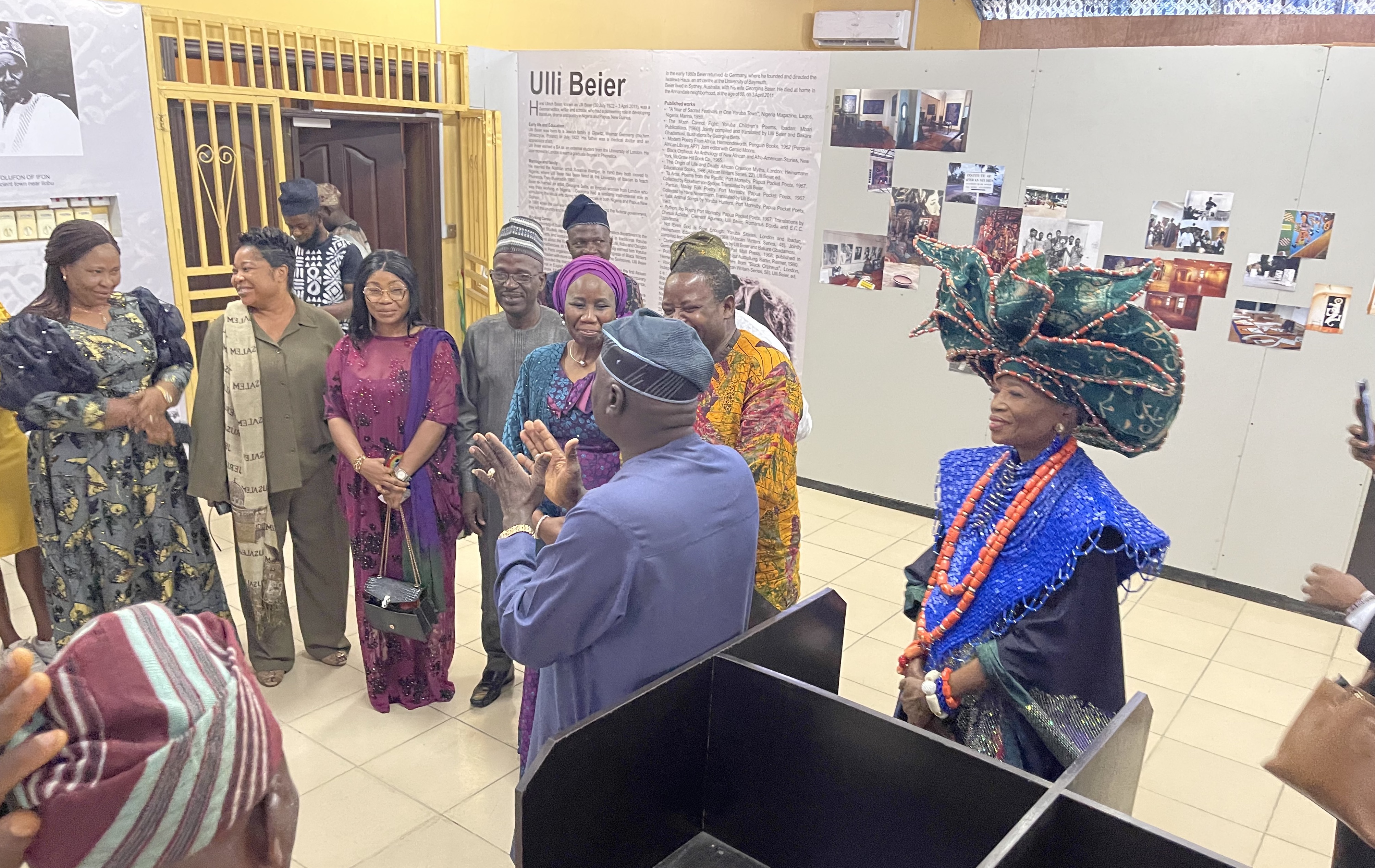
Centre for Black Culture and International Understanding
CBCIU
ABOUT CBCIU
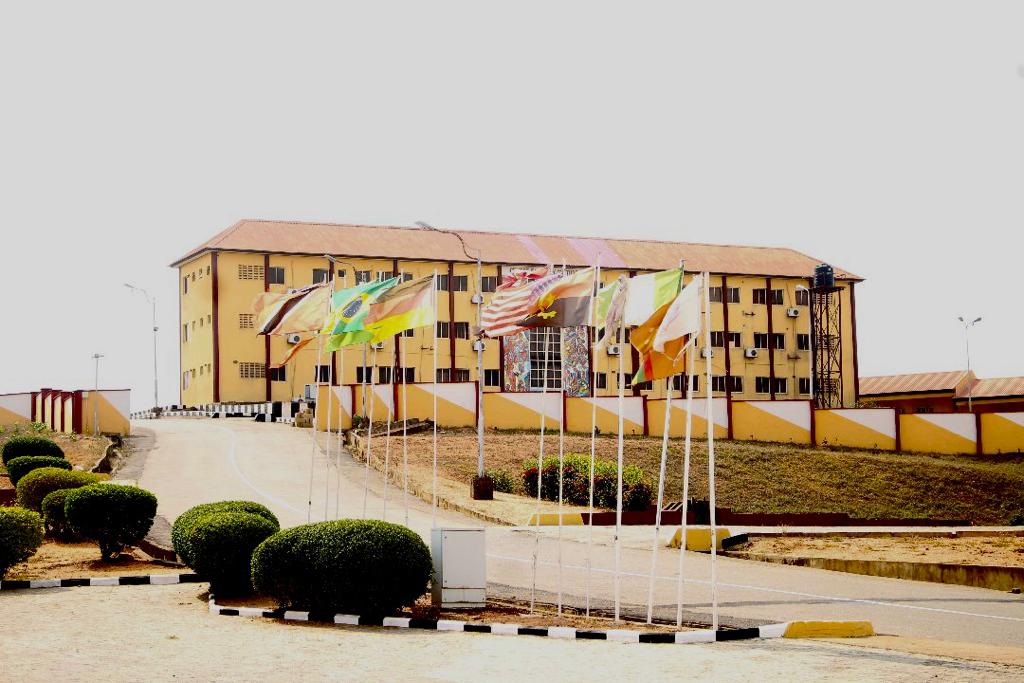
The Centre for Black Culture and International Understanding (CBCIU), Osogbo, was set up in 2009, with the administrative building officially commissioned on January 7, by Koichuro …
VISION STATEMENT
To elevate Black culture, by focusing on its recovery, preservation, promotion, and utilization of its enduring ways of being for the purposes of holistic development, appreciation, and international understanding.
MISSION STATEMENT
To initiate, facilitate, and support programmes that will realize the vision for which the Centre for Black Culture and International Understanding (CBCIU) was established in January 2009.
CBCIU
Our Goal
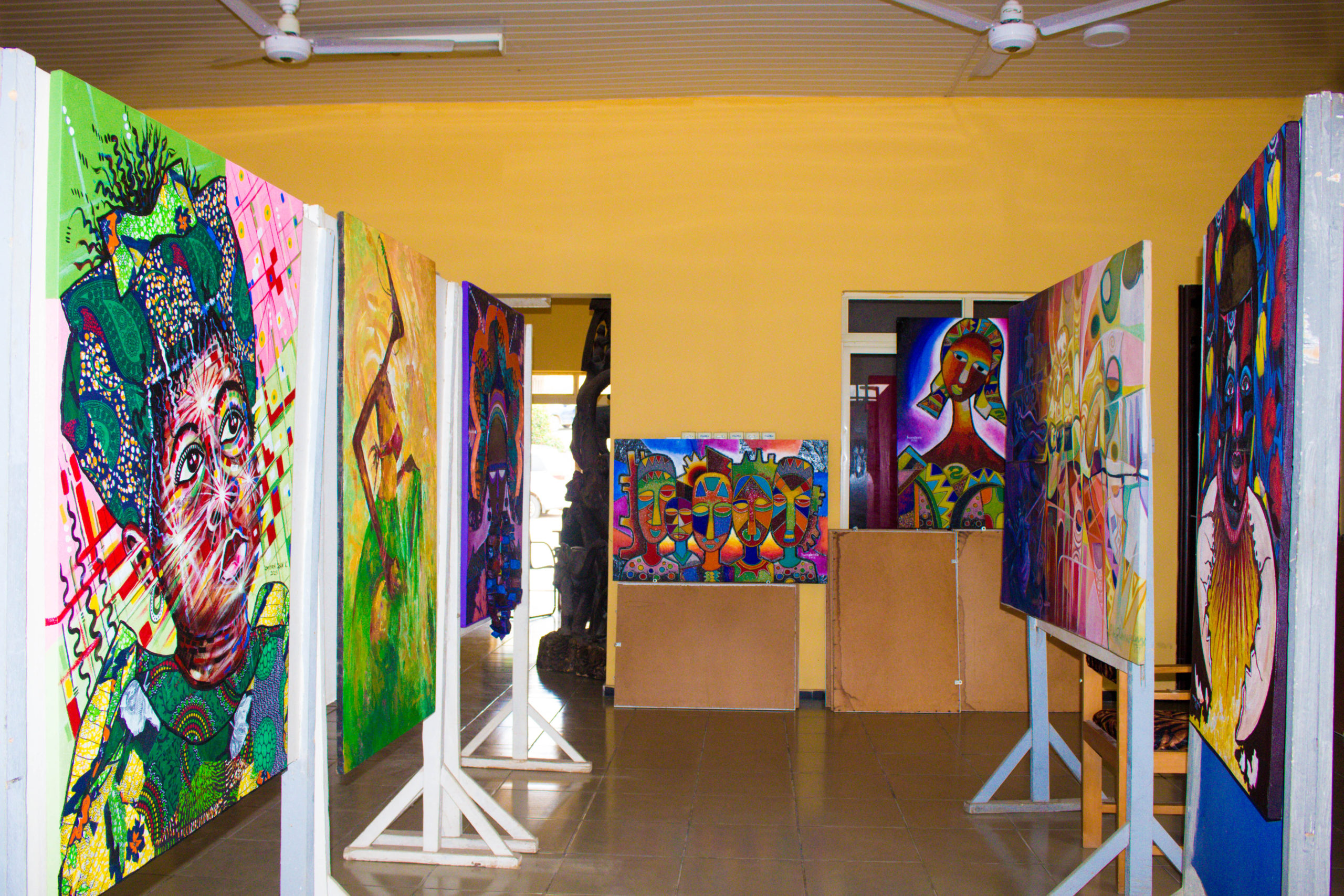
The overarching goal is to retrieve, curate, and sustain historic cultural assets, fostering cross-cultural and inter-generational engagement for global harmony, encouraging and promoting local culture producers through exhibitions, workshops, and culture fairs, facilitating interactions and exchanges between local and foreign artists, and forging cultural linkages with black cultures in Europe, the Americas, and the Caribbean Islands.
Partner with us
Recent Video
Video from one of our most recent events
Board of Trustees
View the list of members of our board of trustees
Prince Olagunsoye Oyinlola
Chairman, Board of Trustees
Prince Olagunsoye Oyinlola, fondly called “Lagun” within the family circle, was born on Saturday, February 3, 1951 in Okuku, Odo Otin Local Government Area of Osun State into the royal Oyinlola family…
H.E. Dr. Hajo Sani OON
Member, Board of Trustees
Dr. Hajo Sani is an Educationist and Policy Analyst with many years of experience in teaching and public administration. She holds a Bachelor’s Degree in Education, a Master’s Degree in Guidance and Counselling and a Doctorate Degree…
MRS. Lydia Jafiyah
Member Board of Trustees
Lydia Shehu Jafiya, mni was born on 30th July 1967 in Gulak, Madagali Local Government Area of Adamawa State. She attended Central Primary School, Gulak from 1974 to 1980 and Federal Government College, Jos, 1980 to 1985…
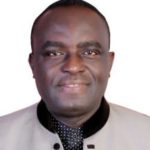
Prof. Peter Okebukola (OON)
Member, Board of Trustees
He is a member of the Board of Trustees of Centre for Black Culture and International Understanding, Osogbo and the Executive Director of Institute of African Culture and International Understanding,
Latest News and Events
Our news and events
AWESOME PARTNERS
Our Partners